Buying Land in Kenya From Abroad: A Guide for the Diaspora
9 min read · Updated 11 Oct 2026

The hardest part of buying land from abroad is not the paperwork. It is that you cannot stand on the ground, and everyone you are dealing with knows it.
That is a solvable problem. It is solved with a process, not with trust.
First, the good news
If you are a Kenyan citizen, and dual citizens are citizens, you can buy any land in Kenya, freehold included, while living anywhere in the world. You do not need a resident permit, you do not need to fly home, and you do not need anybody to hold it for you.
If you are not a Kenyan citizen, you can hold land only on leasehold, for a maximum of 99 years. See freehold or leasehold for what that means in practice.
The order to do things in
1. Get your KRA PIN sorted
You cannot transfer land without one, and it is the step people leave until last and then lose three weeks to. If you do not have one, register through iTax. If you have one you have not used in years, check it is active.
2. Choose your own advocate
Not the seller's advocate. Not the agent's cousin who "does conveyancing". Your own, instructed by you, paid by you, acting for you.
Check them on the Law Society of Kenya roll. Ask what they charge, conveyancing fees follow the advocates' remuneration scale, so a quote far below it should make you curious rather than pleased.
3. See the plot properly, even from six thousand miles away
Ask for a live video call from the plot, not a recorded clip. On the call, ask the agent to:
- Walk all four boundaries and show you each beacon.
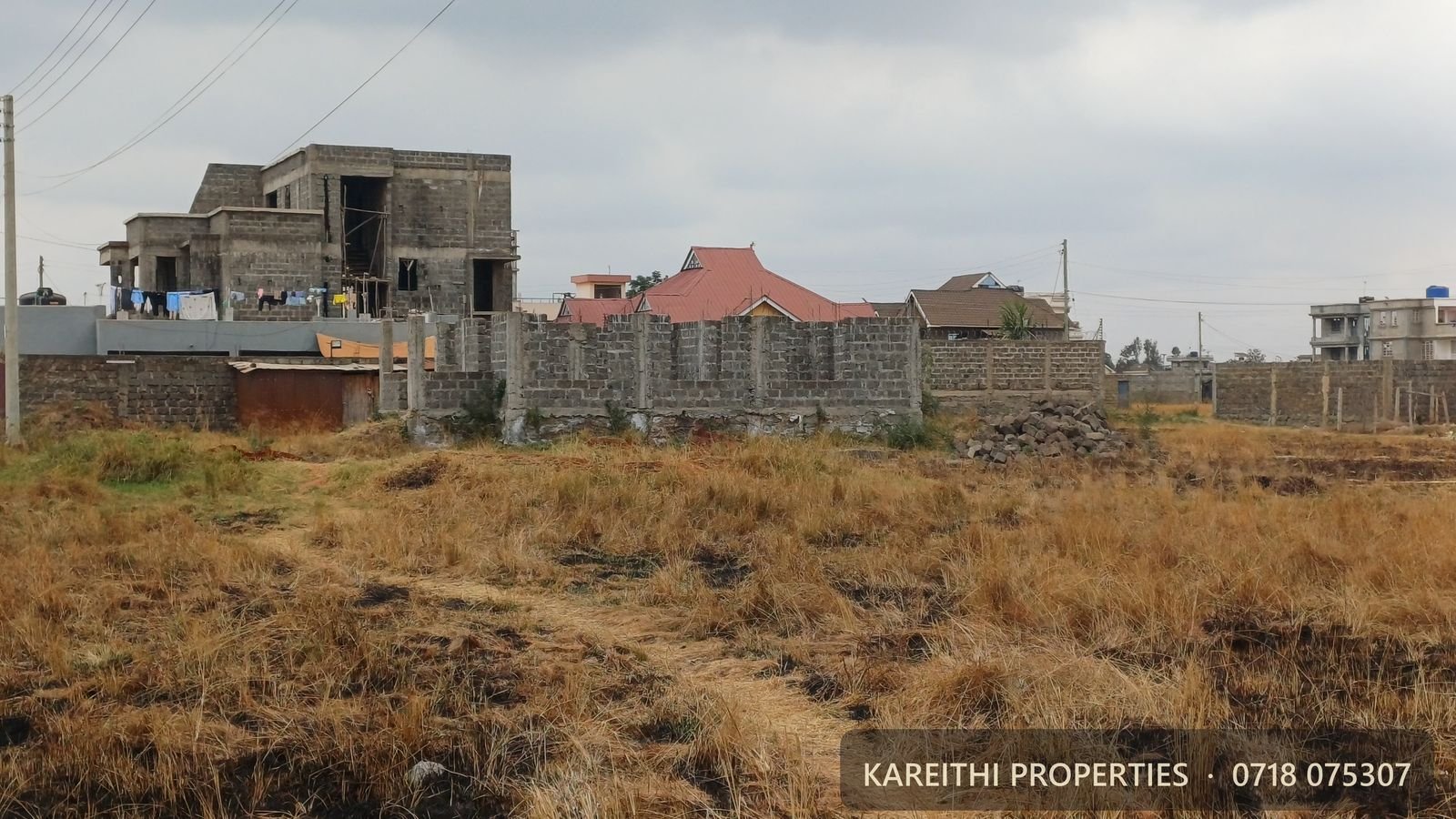
- Walk from the plot to the tarmac, without cutting, so you can see the real distance and the real road.
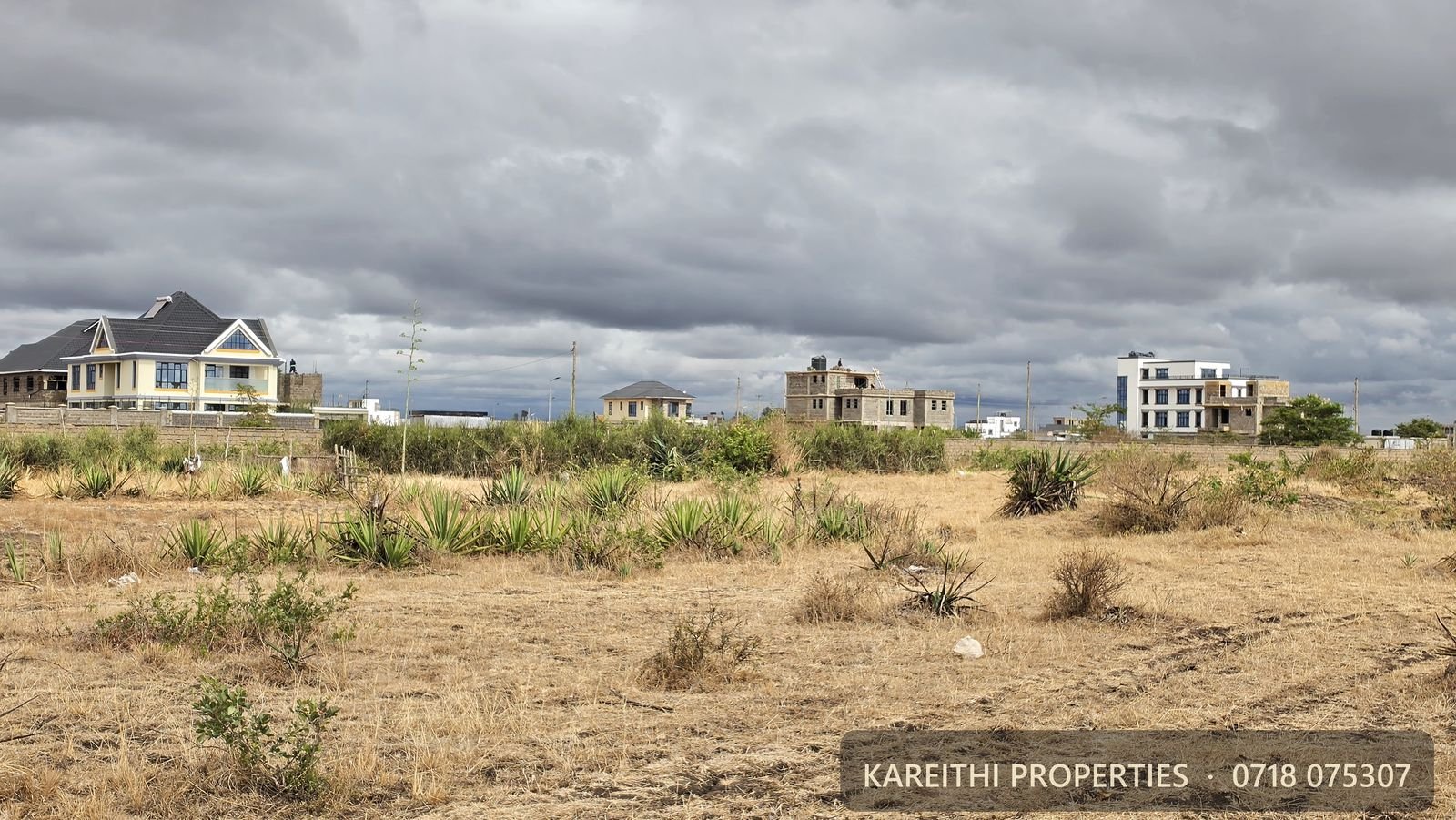
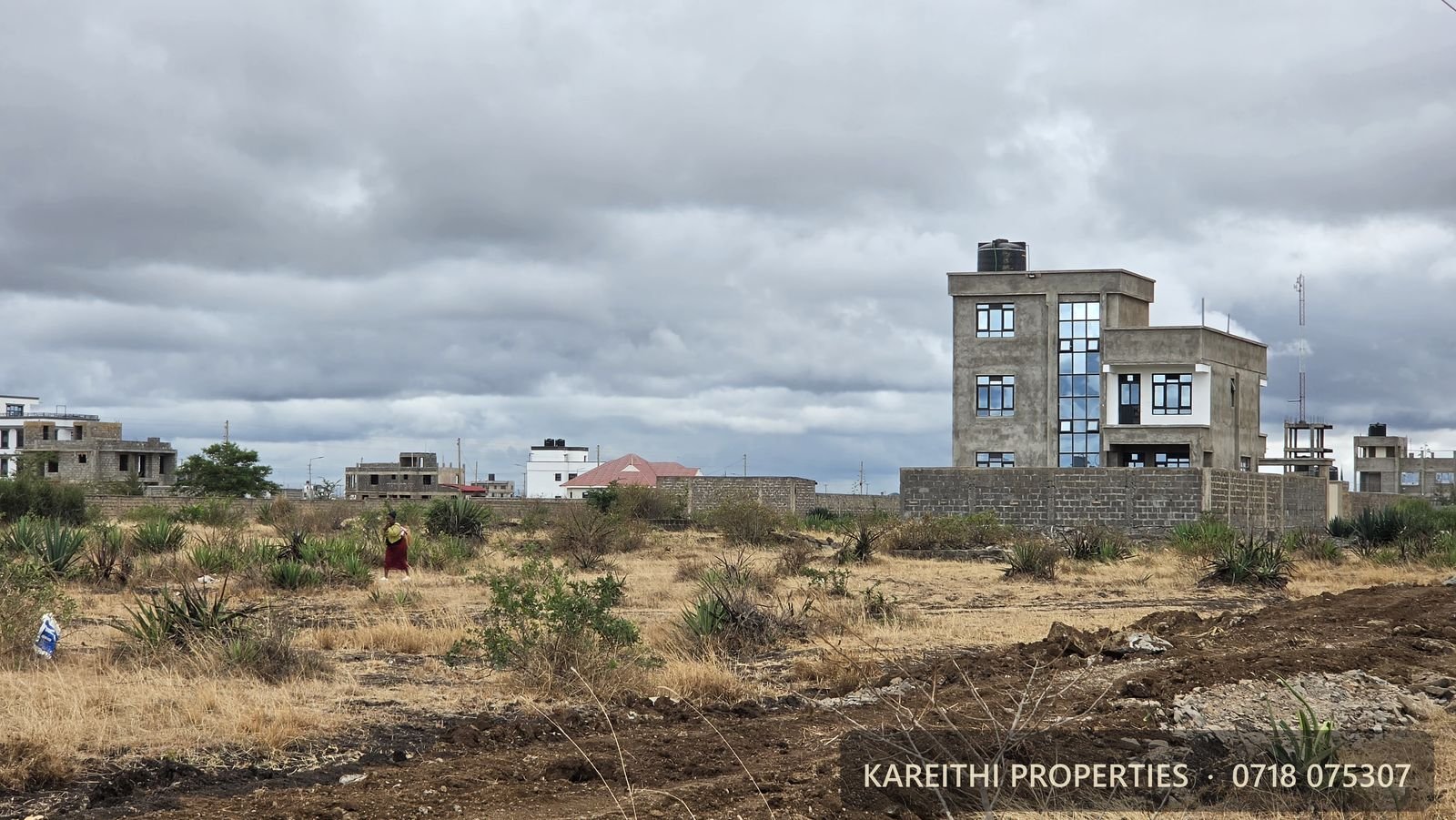
- Show you the neighbouring plots and what is built on them.
- Hold the phone on the parcel number on the title, and read it out.
Then have somebody you trust, not the agent, not the seller, go and stand on the same plot independently, and send you their own photos. If the two visits do not match, you have learned something very cheaply.

4. Do the search: the same search anybody else would do
About KSh 500. Your advocate does it, and you read the result yourself. Check the registered owner's name against the seller's ID, check the size, check the tenure, and check the encumbrances section says nil. Our land search guide explains every line.
5. The power of attorney
If you will not be in Kenya to sign, you need somebody who can sign for you. That is a power of attorney, and there are three rules:
- Make it specific. It should name the parcel, name the transaction, and list exactly what the holder may do. A general power of attorney over all your affairs is far more than this needs.
- Execute it properly where you are. Before a notary public, or at the Kenyan mission in your country. Your advocate will tell you which form your country requires.
- Register it in Kenya. An unregistered power of attorney will not get a transfer through the registry.
Choose the holder carefully. This is the single largest piece of trust in the whole process, and family relationship is not the same thing as reliability.
6. Paying
This is where diaspora buyers lose money, so read it twice.
- Pay by bank transfer into your advocate's client account, against a signed sale agreement.
- Never send money to a personal M-Pesa number, a paybill, a till, or an individual's bank account. Not the agent's. Not the seller's. Not your relative's.
- Pay in stages tied to milestones: a deposit on signing, the balance on transfer. Not everything up front.
- Keep every receipt and every transfer confirmation.
What it costs on top of the price
Budget roughly for these. They are normal and they are not negotiable:
- Stamp duty: 4% of value in urban areas, 2% in rural areas. Paid by you, the buyer.
- Advocate's fees: on the statutory scale, typically around 1–1.5% on a modest purchase, plus disbursements.
- Official search: about KSh 500.
- Land Control Board consent: a modest fee, required for agricultural land.
- Registration and incidentals: small, but real.
Capital gains tax is the seller's, not yours. If somebody tries to pass it to you, that is a negotiation, not a rule.
The four scams that specifically target people abroad
The urgent discount. "Another buyer is coming Friday, send the deposit today." Distance makes rushing feel normal. It is not. Any seller who will not wait for your search is not a seller you want.
The cloned agent. Someone copies a real agent's photos, name and listings, sets up a near-identical page, and gives a different number. Always call the number published on the agent's own website, and confirm it matches the one on their social pages.
The plot that is sold four times. One parcel, four deposits, four buyers abroad who never meet. Only a registry search catches this.
The relative who means well. Not fraud, but it costs just as much: a family member who agrees to "handle it" without an advocate, without a search, and without a written agreement. Love them. Still use a lawyer.
How we work with buyers abroad
We do live video walkthroughs on WhatsApp at a time that works for your timezone, including evenings and weekends in Kenya. We give you the parcel number before you ask for it. We expect you to appoint your own advocate and do your own search, and we will deal with them directly.
And we will tell you when a plot is not right for you. A buyer eight thousand kilometres away who feels misled tells everybody. We would rather sell you the right plot slowly.
Common questions
Can I buy land in Kenya while living abroad?
Do I need to fly to Kenya to buy land?
How do I pay for land in Kenya from abroad safely?
What is a power of attorney and do I need one?
Kareithi will answer straight. He will also tell you when a plot is not right for you.