Freehold or Leasehold: Which Title Are You Actually Buying?
7 min read · Updated 11 Oct 2026
There is one word on your title deed that most buyers never look at, and it decides whether you own land or whether you are renting it for ninety-nine years.
Freehold, in plain terms
Freehold, the registry may call it absolute proprietorship, means the land is yours, with no end date. No ground rent to the national government. No renewal application in your grandchildren's lifetime. You can sell it, leave it in a will, or sit on it for fifty years.
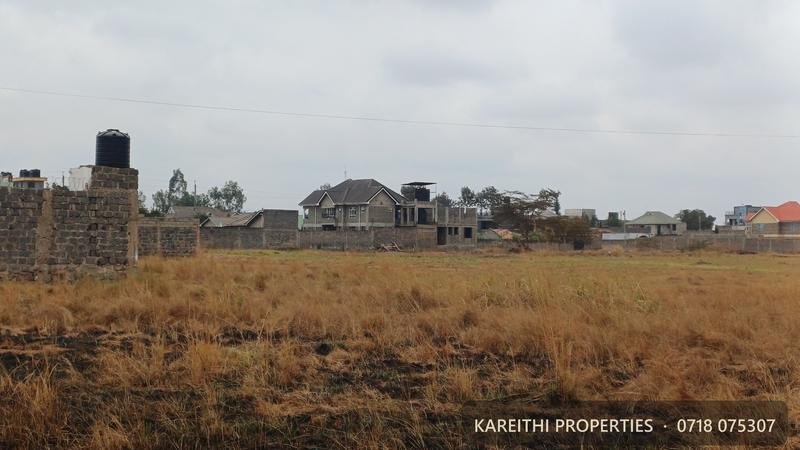
Most agricultural-origin land outside the towns is freehold. That includes much of what is sold in Juja Farm, Juja, and the rural side of Ruiru and Thika.
Leasehold, in plain terms
Leasehold means the government, national or county, owns the land and has granted you the right to use it for a fixed term. In Kenya that term is usually 99 years.
During the lease you pay ground rent annually to the national government, and land rates to the county. When the term runs out the land reverts, though in practice the holder applies for extension or renewal well before that, and applications are normally granted where the land has been used in line with its conditions.
Most plots inside town boundaries (Thika town, parts of Ruiru town) are leasehold.
Why you still see 999-year leases
Older titles from the colonial era carried 999-year terms. They still exist. Under the 2010 Constitution, any such lease held by a non-citizen is treated as a 99-year lease, but a Kenyan citizen holding a 999-year lease effectively has something close to freehold.
The number that actually matters
Not the word. The remaining term.
- A 99-year lease granted in 1965 has about 38 years left. Banks get nervous below roughly 40–45 years, and that affects your buyer when you come to sell.
- A 99-year lease granted in 2015 has about 88 years left. For practical purposes, that behaves like ownership.
So when the search comes back, find the commencement date and do the subtraction. It takes ten seconds and it is the single most useful thing on the page.
If you are not a Kenyan citizen
Article 65 of the Constitution is clear: a non-citizen may hold land only on leasehold, and no longer than 99 years. That applies to companies too, where the shareholding is not wholly Kenyan.
Two things people get wrong here:
- Dual citizens are citizens. If you hold a Kenyan passport alongside another, you can own freehold. Being resident abroad changes nothing.
- A non-citizen cannot get round it with a nominee. Registering land in a Kenyan friend's name to hold "on your behalf" leaves you with no enforceable claim and has ended badly for a great many people.
If you are buying from abroad, read buying land in Kenya from abroad as well.
What about apartments?
An apartment is a share of a building on a single parcel. Under the Sectional Properties Act, individual units get their own sectional titles, carved out of the mother title. Ask two questions before you buy one:
- Has the mother title been sectionalised, and will you get a sectional title in your name, or only a share certificate in a management company?
- If it is leasehold, how many years are left on the mother lease? Your unit cannot outlive it.
Which should you buy?
For land you intend to hold for a long time, or pass on, freehold is simpler. Nothing to renew, nothing to pay annually to the national government.
But do not refuse a good leasehold plot on principle. A leasehold title in a prime town location with 80-plus years left, with services and tarmac and tenants nearby, is a better asset than a freehold plot an hour down a bad road. Tenure is one factor. Location, access, water and the remaining term are the others, and together they matter more.
Ask us which one any plot on this site is. We will tell you before you ask.
Common questions
What is the difference between freehold and leasehold in Kenya?
Can a foreigner own freehold land in Kenya?
What happens when a 99-year lease expires in Kenya?
Is freehold better than leasehold?
Kareithi will answer straight. He will also tell you when a plot is not right for you.